 View Scroll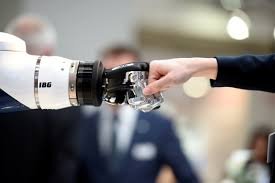
Technology has always been the engine that powers human progress. From the wheel to the printing press, from steam engines to microprocessors, each leap forward has reshaped society. In the 21st century, however, technological change feels different. It’s faster, more interconnected, and increasingly invisible — woven into the fabric of daily life.
This isn’t just about faster smartphones or sleeker laptops. Today’s technological landscape is a network of intelligent systems that learn, adapt, and collaborate. Understanding this shift is essential for anyone hoping to keep pace with the future.
1. From Hardware-Centric to Experience-Centric
In the early days of personal computing, owning the latest hardware was a badge of pride. The focus was on raw power — faster processors, bigger hard drives, higher pixel counts. While these still matter, the emphasis has shifted toward experience.
Consumers now value seamless integration across devices, cloud-based accessibility, and interfaces that require minimal effort to use. The success of companies like Apple, Google, and Samsung isn’t just about specs; it’s about creating ecosystems where hardware, software, and services work in harmony.
2. The Invisible Infrastructure
Most people don’t think about the technological scaffolding that supports their daily activities. Cloud computing, edge networks, and fiber-optic connections are the quiet workhorses that make streaming video, remote work, and real-time collaboration possible.
Data centers — some the size of small towns — hum away, processing trillions of transactions per day. Advances in semiconductor design keep shrinking components while boosting efficiency, enabling devices to handle tasks once reserved for supercomputers.
3. Intelligence Everywhere
One of the defining features of modern tech is embedded intelligence. Sensors, algorithms, and connected platforms are turning everyday objects into responsive systems.
-
Smart Homes: Thermostats that learn your schedule, lighting that adapts to natural rhythms, security systems with facial recognition.
-
Healthcare Devices: Wearables that track heart rate, oxygen levels, and sleep patterns to support preventive care.
-
Industrial Applications: Predictive maintenance in manufacturing, reducing downtime and costs.
The common thread is adaptability — devices that not only follow instructions but adjust based on patterns, preferences, and environmental factors.
4. The Data Question
The power of modern technology comes from data — vast amounts of it. But with that comes challenges of privacy, ethics, and governance.
Companies collect information to improve products, personalize services, and optimize performance. However, concerns over misuse, surveillance, and breaches have fueled debates about who should control data, how it should be stored, and what level of transparency is acceptable.
Regulatory frameworks like the EU’s GDPR are steps toward balancing innovation with individual rights, but the conversation is far from over.
5. Work and Learning in the Digital Age
The shift toward remote and hybrid work arrangements has redefined the role of technology in professional life. Tools like video conferencing, collaborative documents, and project management platforms have become standard.
In education, digital learning environments are supplementing — and in some cases replacing — traditional classrooms. Immersive simulations, adaptive learning software, and virtual labs are changing how people acquire skills.
These developments bring flexibility but also highlight the need for digital literacy and equitable access to technology.
6. Sustainability and Responsibility
The technology sector is under growing pressure to address its environmental impact. From the energy demands of data centers to the e-waste generated by short product lifecycles, the footprint is significant.
Innovations aimed at sustainability include:
-
Low-power processors.
-
Modular designs for easier repairs and upgrades.
-
Renewable energy integration in server farms.
-
Recycling programs for electronics.
There’s a growing recognition that progress in tech must align with environmental responsibility to be truly forward-thinking.
7. The Blurring of Physical and Digital
Technologies like augmented reality (AR), virtual reality (VR), and mixed reality are dissolving the boundaries between the physical and digital worlds.
-
AR overlays digital information on real-world views — think navigation prompts appearing on your windshield.
-
VR immerses users entirely in simulated environments, valuable in fields like training, therapy, and entertainment.
-
Mixed Reality combines both, allowing real and virtual objects to interact in meaningful ways.
These technologies are shaping industries from retail to medicine, offering new ways to visualize, design, and communicate
8. Security in a Hyperconnected World
With more devices connected than ever, cybersecurity has become a frontline concern. Threats range from large-scale ransomware attacks to phishing schemes targeting individuals.
Proactive security measures now involve:
-
Multi-factor authentication.
-
End-to-end encryption.
-
Zero-trust network models.
-
AI-driven threat detection.
Cybersecurity is no longer just an IT issue; it’s a fundamental aspect of modern life.
9. What the Future Holds
Several trends hint at where technology may go next:
-
Quantum Computing could solve problems currently impossible for classical computers.
-
Biotechnology Integration may lead to personalized medicine at the genetic level.
-
Advanced Robotics will take on tasks in hazardous environments.
-
Decentralized Systems will reduce reliance on centralized control.
While predictions are tricky, one thing is clear: the pace of innovation will not slow down.
Final Reflection
Technology is shifting from being a set of tools to becoming an intelligent, interconnected ecosystem. It shapes how we live, work, learn, and connect — often in ways we don’t even notice. By understanding its foundations and implications, we can navigate its opportunities and challenges more thoughtfully.
This is not about chasing the latest gadget. It’s about recognizing the systems, ethics, and responsibilities that come with building a digital future.